
Understanding Thyroid Diseases & When Surgery Is Needed
The thyroid gland plays a key role in your health. Disorders like hypothyroidism, hyperthyroidism, goiter, and nodules can cause major symptoms—fatigue, weight changes, anxiety, or neck swelling. Some cases, like thyroid cancer or large nodules, may require surgery (thyroidectomy). 👩⚕️ Early diagnosis, regular checkups, and understanding treatment options are essential. Stay informed and take charge of your thyroid health!
Dr.Muhammad Naeem
8/4/20251 min read
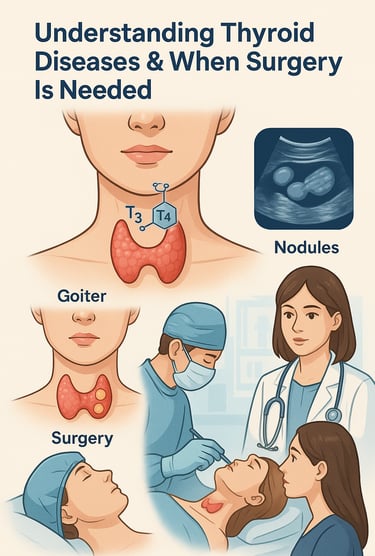
Thyroid diseases encompass a range of conditions affecting the thyroid gland, a small organ in the neck that regulates metabolism through hormone production. Common disorders include hypothyroidism (underactive thyroid), causing fatigue, weight gain, and depression, often treated with hormone replacement therapy; hyperthyroidism (overactive thyroid), leading to weight loss, rapid heartbeat, and anxiety, managed with medications, radioactive iodine, or surgery; and goiter, an enlarged thyroid often due to iodine deficiency or nodules. Thyroid nodules, which are lumps in the gland, are usually benign but require evaluation to rule out cancer, using ultrasound or biopsy. Thyroid cancer, though rare, is increasing in incidence and typically has a good prognosis when detected early. Regular monitoring and blood tests are crucial for managing these conditions, as symptoms can significantly impact quality of life.
Surgery, known as thyroidectomy, is indicated for specific thyroid conditions when other treatments are insufficient or inappropriate. A total thyroidectomy (removal of the entire gland) or partial thyroidectomy (removal of part of the gland) may be recommended for thyroid cancer, especially if it has spread or is aggressive, to remove malignant tissue and prevent recurrence. Surgery is also considered for large goiters or nodules causing breathing or swallowing difficulties, or for hyperthyroidism unresponsive to medications, particularly in cases of Graves’ disease. Additionally, suspicious nodules with inconclusive biopsy results may warrant surgery to confirm or rule out cancer. The decision for surgery depends on factors like the size of the nodule, symptoms, and patient health, with risks including vocal cord damage or hypoparathyroidism.
For the public, understanding thyroid disease and surgical options is vital for early detection and effective management. Regular check-ups, especially if you notice symptoms like neck swelling, fatigue, or unexplained weight changes, can catch issues early. If surgery is recommended, discuss with your doctor the benefits (e.g., removing cancerous tissue or relieving symptoms) versus risks (e.g., potential complications like voice changes). Post-surgery, most patients require lifelong thyroid hormone replacement and regular follow-ups to monitor hormone levels and ensure recovery. Staying informed and proactive about thyroid health empowers individuals to make educated decisions and maintain well-being.